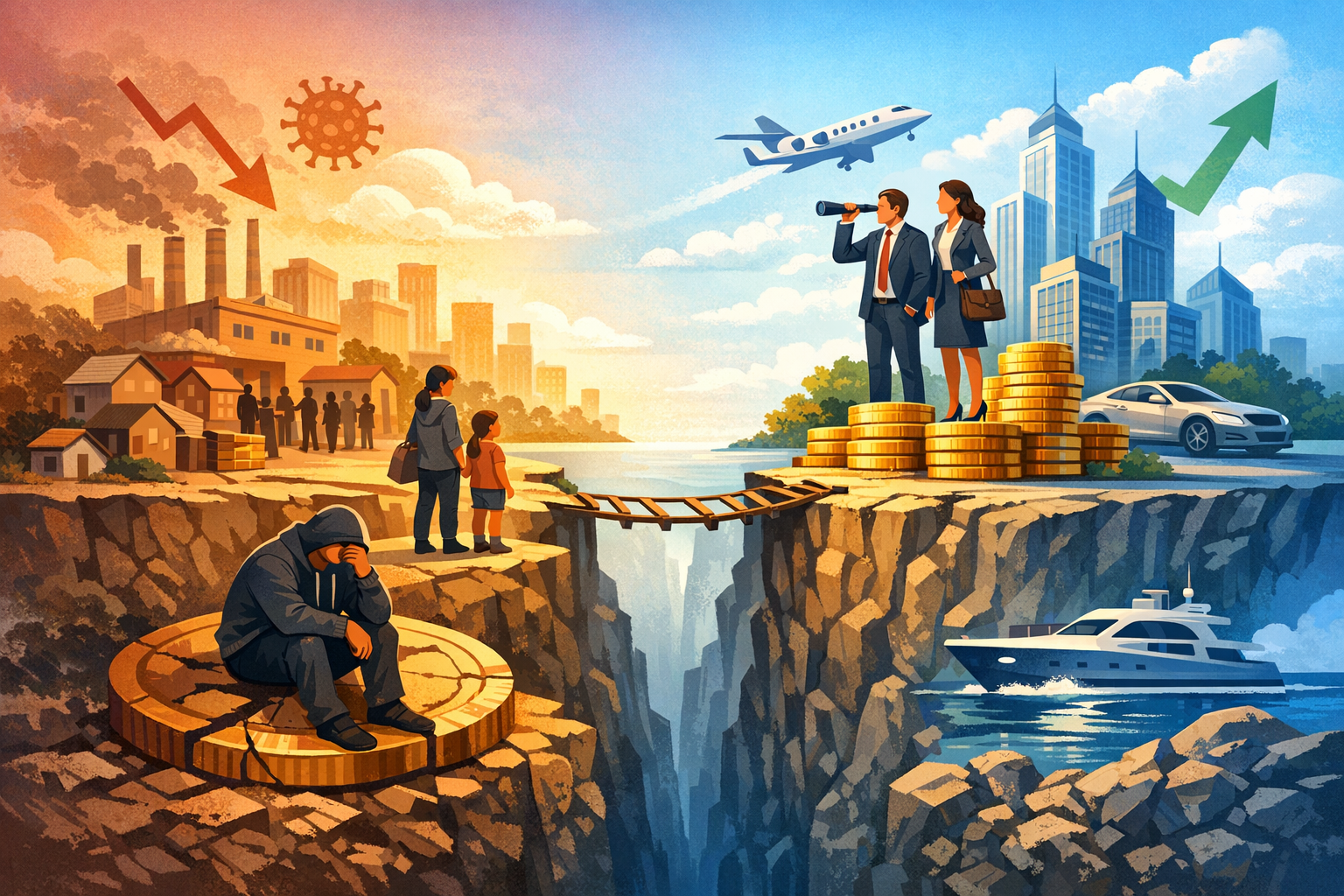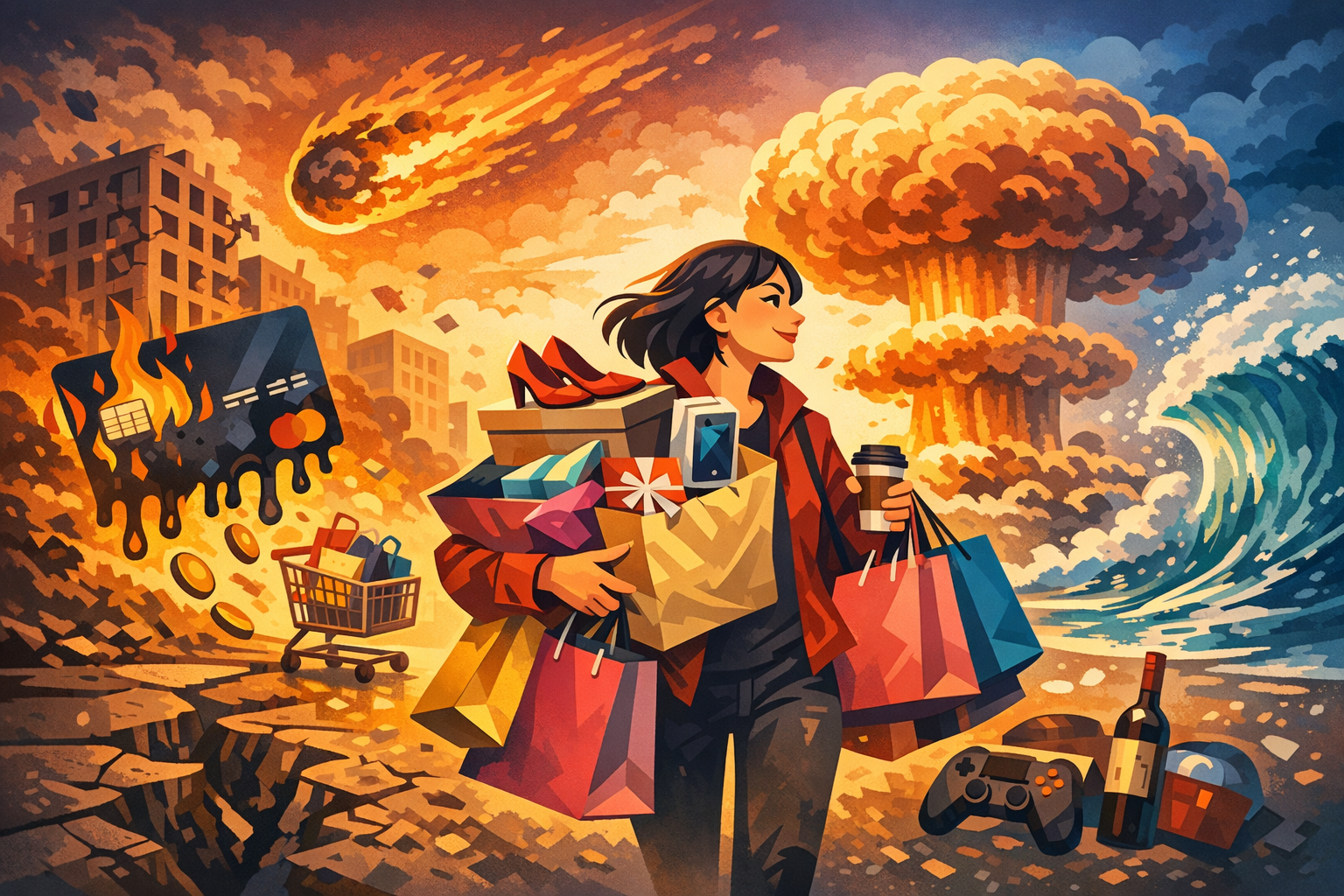
There's a new term circulating on social media and in financial columns: doom spending. It describes the phenomenon of people making impulsive, often extravagant purchases as a response to anxiety about the future, whether that's economic uncertainty, climate change, or geopolitical instability.
Spending as a Coping Mechanism
The logic, if you can call it that, goes something like this: if the world feels increasingly unpredictable, why not enjoy things now? It's a sentiment that financial advisors find deeply troubling but psychologists find entirely understandable.
"When people feel a loss of control over the big picture, they often seek control in the small decisions they can make," says Dr. Brad Klontz, a financial psychologist at Creighton University. "Buying something gives you a momentary sense of agency."
The numbers back this up. Credit card debt in the US hit $1.21 trillion at the end of 2025, and early 2026 data suggests the trend is accelerating rather than slowing.
Who's Doing It?
While doom spending cuts across demographics, it's particularly prevalent among millennials and Gen Z. A recent survey by Bankrate found that 38% of adults under 35 admitted to making purchases they couldn't afford specifically because they felt pessimistic about the future.
The purchases themselves range from the predictable (luxury goods, travel, dining out) to the surprising (preppers buying gold, survival gear, and rural property). In both cases, the underlying emotional driver is the same: a desire to either enjoy life while you can or prepare for a worst-case scenario.
The Social Media Amplifier
Platforms like TikTok and Instagram have turned doom spending into a visible, even celebrated behavior. Hashtags like #treatyourself and #doomspending have billions of combined views, creating a feedback loop where spending feels not just justified but socially encouraged.
Influencers share haul videos with captions like "the economy is fake anyway" and "you can't take it with you," normalizing financial decisions that previous generations would have considered reckless.
Finding a Healthier Balance
Financial experts stress that the solution isn't to deny the anxiety that drives doom spending, but to redirect it. Setting up automatic savings, building an emergency fund, and practicing mindful spending can all provide the same sense of control without the credit card hangover.
"The irony of doom spending is that it actually makes the thing you're anxious about, financial instability, more likely to happen to you personally," notes Klontz. "The best antidote to financial anxiety is financial preparedness."
It's advice worth heeding, even if it doesn't generate as many likes as an unboxing video.