The Intersection of Technology and Creativity
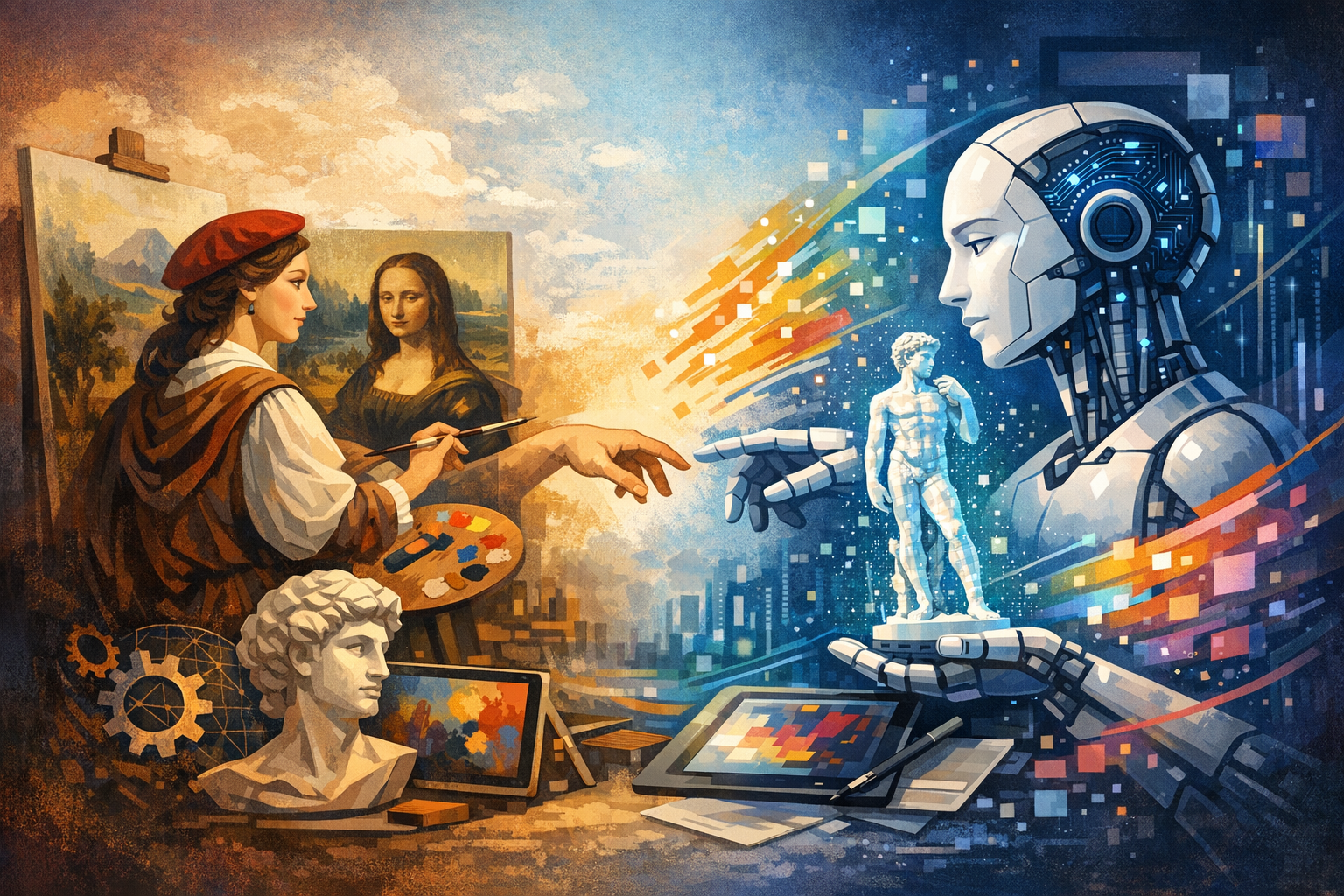
In the past decade, artificial intelligence (AI) has steadily infiltrated numerous sectors, revolutionizing how we work, communicate, and even express ourselves. Now, it stands at the forefront of a new artistic revolution, one that is redefining the very core of artistic expression. The relationship between AI and art is evolving, challenging traditional norms and offering artists unprecedented tools to expand their creative horizons.
AI: The New Muse
AI's ability to process vast amounts of data and recognize patterns has made it an invaluable tool for artists seeking inspiration. By analyzing everything from historical art styles to contemporary trends, AI can generate novel ideas and aesthetics, acting as a digital muse. Artists can input parameters or themes, and AI programs can produce unique artworks that might not have been conceivable through traditional methods.
For instance, programs like DeepArt and RunwayML utilize neural networks to transform photographs into images that mimic famous painting styles, allowing artists to blend classic and modern aesthetics seamlessly. This capability enables the creation of hybrid art forms that push the boundaries of what we traditionally consider art.
Challenging Conventional Norms
The introduction of AI into the art world poses fundamental questions about authorship and authenticity. Who is the true creator of an artwork: the artist who conceives the idea, or the AI that executes it? This question challenges our conventional understanding of creativity and personal expression.
Moreover, AI-generated art tests the limits of intellectual property laws. As AI creates more works independently, the legal frameworks surrounding art rights are being scrutinized and, in some cases, rewritten. The debate continues as to how much credit should be attributed to algorithms versus human input.
AI in Practice: Innovating the Art World
AI is not just a tool for digital artists. It also plays a pivotal role in traditional art forms. For example, AI assists in art restoration, helping historians recreate lost pieces with remarkable accuracy based on fragments and historical data.
- Music: AI has been used to compose pieces in the style of classical composers like Bach, merging traditional and contemporary sounds. - Film: Directors employ AI to enhance visual effects and even scriptwriting, pushing cinematic boundaries. - Literature: AI algorithms can mimic a writer’s style, generating poetry and prose that challenge our notions of literary creativity.
The Future: Collaborative Artistry
The future of AI in art is not about replacing human creativity but enhancing it. It aims to foster a collaborative environment where AI acts as a partner in creativity, offering new perspectives and freeing artists from the constraints of traditional techniques.
As AI technology continues to advance, its role in art will likely expand, potentially leading to new forms of art and expression. This ongoing dialogue between man and machine is reminiscent of past artistic movements that questioned societal norms and paved the way for innovation.
Conclusion: A Renaissance of Ideas
The union of AI and art marks a new renaissance—one driven by technology but guided by human emotion and intellect. This partnership promises to unlock a new realm of possibilities, inviting artists and audiences alike to explore and redefine what it means to create and appreciate art in the modern era.